The psychology behind risk understanding the allure of casino gambling
Casino gambling is fundamentally rooted in the excitement that comes from uncertainty. This unpredictability taps into a deep psychological desire for novelty and adventure. As players explore the world of online gaming, they may discover platforms that offerneosurf casinos for fast and private deposits, enhancing their experience even further. The anticipation of potentially winning big creates a rush, enticing players to return for more. Each roll of the dice or spin of the wheel triggers a flood of dopamine, the neurotransmitter associated with pleasure, reinforcing the habit of gambling and making it an alluring pursuit.
Moreover, the environment of a casino amplifies this thrill. Bright lights, loud sounds, and an energetic atmosphere contribute to a sensory overload that keeps players engaged. This immersive experience creates a sense of escapism, allowing individuals to forget their daily lives and immerse themselves in the possibilities of winning. The combination of these elements contributes to a unique psychological landscape where risk becomes synonymous with excitement.
Additionally, cognitive biases play a crucial role in how individuals perceive risk in gambling. For instance, the illusion of control leads players to believe that they can influence outcomes in games of chance, such as blackjack or poker. This cognitive distortion often results in individuals taking bigger risks than they typically would in other areas of life, enhancing the allure of the gambling experience.
Casino gambling is often a communal activity, providing opportunities for social interaction that add to its appeal. Many gamblers enjoy the camaraderie that comes with sharing the gaming experience with friends or even strangers. Engaging with others creates an environment of shared excitement and tension, making wins feel more rewarding and losses less painful. This social aspect can amplify the psychological draw of the gambling experience.
Furthermore, professional gamblers often emphasize the importance of community in their strategies. They develop networks of fellow players and gamblers, which provide not only social support but also valuable insights into the intricacies of various games. This exchange of knowledge creates a richer understanding of risk, as gamblers learn from one another’s experiences, reinforcing both positive and negative outcomes that come with gambling.
Ultimately, this social dimension enhances the allure of casino gambling by fostering an environment where risk is discussed, analyzed, and embraced together. It becomes more than just a solitary activity; it transforms into a shared adventure, where the stakes feel higher due to the collective involvement. This element of social interaction plays a pivotal role in why many are drawn to casinos, even amidst the risks involved.
Many individuals turn to casino gambling as a means of emotional regulation. The act of gambling can serve as a distraction from stress, anxiety, or depression, offering temporary relief from negative feelings. The thrill of placing bets can temporarily lift a person’s mood and provide a sense of purpose. This emotional escape becomes a powerful motivator, reinforcing the idea that gambling can serve as a coping mechanism for life’s challenges.
Moreover, the highs and lows of gambling mimic the emotional rollercoaster that many experience in life. The rush of winning creates a euphoric high, while the inevitable losses elicit disappointment and frustration. This cycle can be addictive, as the desire to chase that initial high leads individuals to gamble repeatedly. The emotional stakes are intertwined with financial risks, creating a complex relationship that can be difficult to navigate.
In recognizing gambling as a form of emotional escape, it becomes evident why many continue to engage in it despite the risks. For some, the casino becomes a sanctuary, a place where they can temporarily forget their worries and experience a rush of adrenaline. This understanding highlights the psychological allure of gambling beyond mere monetary gain, illustrating its role as a coping strategy for many individuals seeking solace in moments of distress.
The psychology of casino gambling can also be explained through the lens of behavioral conditioning. Gamblers often experience a cycle of reward and punishment that reinforces their behavior. For instance, when a player wins, the thrill of victory serves as a powerful reinforcement, encouraging them to continue playing in hopes of replicating that success. This concept of intermittent reinforcement, where rewards are unpredictable, heightens the desire to gamble.
Addictive behaviors are often shaped by this conditioning process. The unpredictability of winning fosters a gambling culture that thrives on hope and possibility. Gamblers may believe that, despite losing streaks, a big win is just around the corner. This belief, coupled with the dopamine released during wins, creates a compelling psychological feedback loop that is hard to break. Each visit to a casino serves as both a potential for a reward and a chance to solidify a pattern of behavior.
Understanding this conditioning process sheds light on why individuals may struggle to quit gambling even when faced with adverse consequences. The psychological investment becomes intertwined with the perceived possibility of winning, leading many to justify continued participation in an activity that might otherwise be deemed risky. This understanding emphasizes the complexities of human behavior and the powerful hold that gambling can have on individuals.
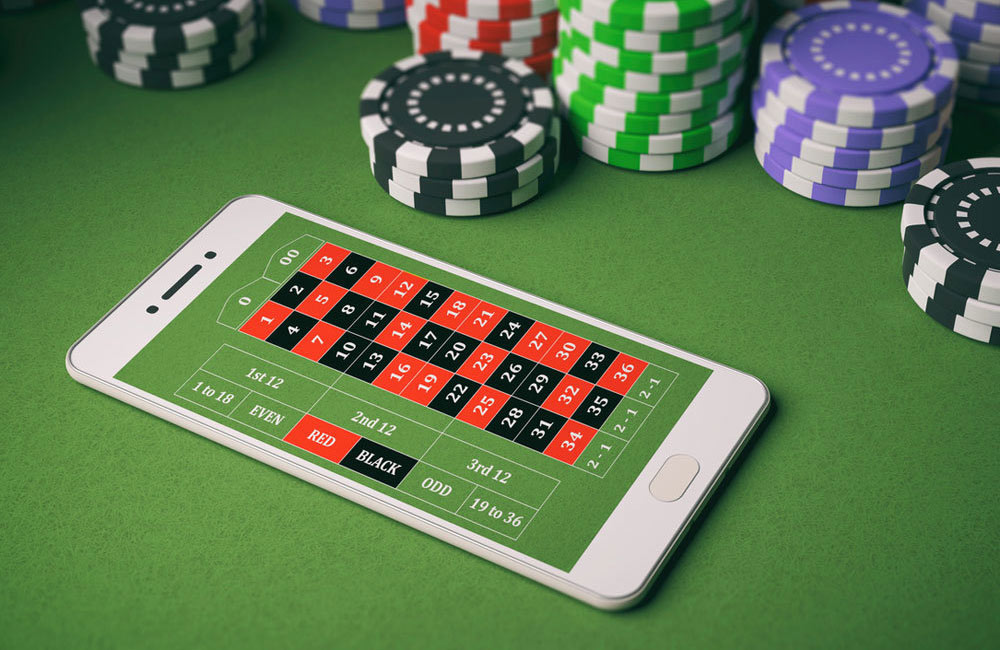
In conclusion, the psychology behind risk in casino gambling is multifaceted and deeply rooted in human behavior. The allure of uncertainty, social interaction, emotional regulation, and behavioral conditioning all contribute to the powerful draw of casinos. Understanding these psychological factors can help individuals recognize their motivations for gambling and the potential risks involved.
It’s essential for players to approach gambling with a mindset focused on responsible gaming. Being aware of the psychological triggers that draw individuals into gambling can empower them to make informed decisions. Resources and support systems are available for those who find themselves struggling with gambling addiction, emphasizing the importance of balancing enjoyment with responsibility.